

Sleep is one of the most important parts of physical recovery, but the number of hours spent in bed does not tell the whole story. Recovery also depends on sleep quality, nutrition, hydration, stress, physical activity, and the demands placed on the body. Someone can spend eight hours in bed and still wake up feeling drained if sleep is repeatedly interrupted. Another person may sleep for a similar period and feel refreshed because their sleep is more consistent. Looking at recovery as a wider process provides a more realistic view of how the body restores itself.
Examining Sleep Quality and Consistency
Sleep quality matters because the body moves through different stages during the night. Deep sleep supports physical restoration, while other stages contribute to memory, learning, and emotional regulation. Frequent awakenings can interfere with this natural progression, even when total sleep time looks adequate. Consistency also plays a role. Going to bed and waking at very different times can disrupt the body’s internal clock. Late-night screen use, irregular schedules, noise, light, and an uncomfortable bedroom can make restful sleep harder. Creating a predictable routine and a suitable sleeping environment can support better recovery without simply adding more time in bed.
Supporting Recovery Through Nutrition

The body needs adequate energy and nutrients to repair tissue, replenish energy stores, and maintain normal functions. Training while consistently eating too little can leave a person feeling tired despite getting sufficient sleep. Protein provides amino acids needed for muscle repair. Carbohydrates help restore glycogen used during exercise, while healthy fats support several essential body processes. Vitamins and minerals also contribute to normal energy metabolism and tissue maintenance. Meals do not need to be complicated. Regular, balanced eating throughout the day can give the body the resources it needs to recover.
Managing Hydration and Daily Stress
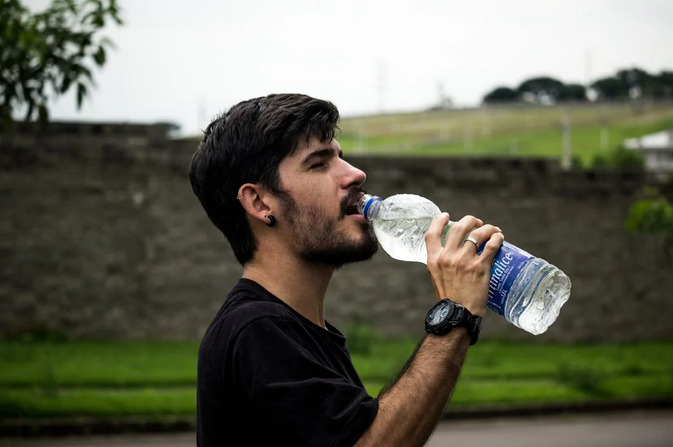
Hydration is another part of the recovery equation. Losing fluids through exercise, heat, or everyday activity can affect physical performance and contribute to fatigue. Drinking according to individual needs and replacing fluids after significant sweating can help maintain normal function. Stress can also change how recovery feels. Work pressure, emotional strain, and constant stimulation may make it harder to relax before bed. Stress does not always prevent sleep, but it can affect sleep quality and daytime energy. Building periods of calm into the day may help the body transition from activity toward rest.
Balancing Training and Rest

Exercise creates a demand that the body must adapt to. Training too frequently or increasing intensity too quickly can leave muscles and connective tissues with insufficient time to recover. More exercise is not automatically better. Rest days can help, but recovery does not always mean complete inactivity. Gentle walking, mobility work, or easy cycling may support movement without adding substantial training stress. The right balance depends on fitness level, exercise type, intensity, and personal circumstances. Paying attention to persistent soreness, declining performance, unusual fatigue, or reduced motivation can help identify when training demands may be exceeding recovery capacity.
Improving Recovery Beyond the Bedroom
Recovery is best viewed as a combination of habits rather than a single sleep target. Sleep provides a foundation, but food, fluids, stress management, movement, and training load all influence how the body responds. A person who sleeps eight hours but trains intensely every day, eats inadequately, and remains chronically stressed may not recover as well as expected. In contrast, consistent sleep paired with sensible training, balanced meals, hydration, and periods of relaxation creates several conditions that support restoration. Recovery can also change from one period of life to another. Travel, illness, demanding work schedules, increased training, and changes in routine can all affect how much recovery a person needs. Instead of focusing on one number, it is more useful to watch patterns in energy, performance, mood, soreness, and sleep quality.
Individual response matters, too. Age, training history, workload, lifestyle, and existing conditions can influence recovery needs. Comparing your recovery …















 Eating small meals throughout the day can be a game-changer for your weight loss journey. Instead of three large meals that leave you feeling stuffed, opt for five or six smaller ones. This keeps your metabolism humming and helps prevent those dreaded energy crashes. When you eat frequently, you’re less likely to experience hunger pangs that lead to unhealthy snacking. It’s easier to make better food choices when you’re not starving. Incorporating a variety of nutrient-dense foods into these smaller meals is key. Think fresh fruits, vegetables, lean proteins, and whole grains. Not only will this keep your body fueled, but it also helps maintain stable blood sugar levels.




 These caregivers play a crucial role in providing personalized care and support to older adults within the comfort of their own homes. They are well-equipped professionals who can assist with various daily tasks, such as bathing, dressing, meal preparation, medication reminders, and light housekeeping.


 As a caregiver, it is important to keep your loved one engaged in activities that they enjoy and that promote their overall well-being. It can help to prevent boredom, depression, and other negative health effects that can come from a sedentary lifestyle.

 Lastly, regular health screenings can prevent serious complications. Complications are conditions that develop as a result of another condition. For example, diabetes is a condition that can lead to other health problems, such as heart disease, stroke, and kidney disease. By getting regular health screenings, you can detect diabetes early. This allows you to make lifestyle changes to prevent these complications. Many people have no symptoms of diabetes, so regular health screenings are the only way to detect it.
 Eating too much red meat has been linked to an increased risk of heart disease. Red meat is high in saturated fat, which can raise cholesterol levels and lead to heart disease. If you want to reduce your risk of heart disease, you must limit the amount of red meat you eat. Instead, focus on eating more lean protein, like chicken or fish. You can also get your protein from plant-based sources, such as beans and lentils.
 Eating too much red meat has been linked to a shorter life span. In one study, people who ate the most red meat were more likely to pass at an early age than those eating less red meat. This is likely because red meat is high in saturated fat and cholesterol, damaging your health over time. If you want to live a long and healthy life, try to limit the amount of red meat you eat. Instead, focus on eating more plant-based foods, like fruits and vegetables. These foods are not only low in saturated fat and cholesterol but also packed with nutrients that can improve your health.
 Alcohol is a legal drug, but it is still addictive and dangerous. It ruins people’s health by causing liver damage, heart disease, cancer, and other health problems. It also increases the risk of accidents and injuries. Heavy drinkers are more likely to develop certain types of cancer, including mouth, throat, stomach, and liver cancer. Alcohol can also cause pancreatitis, a severe and painful inflammation of the pancreas. Drinking alcohol during pregnancy can cause congenital disabilities and other health problems for the baby. Talking to your doctor if you are pregnant or planning to become pregnant before drinking alcohol is important.
 Methamphetamine is a highly addictive stimulant drug. It can cause serious health problems, including heart problems, brain damage, and psychosis. Methamphetamine use can also lead to violent behavior.
 But, how does CBD oil help the patients sleep better? The answer is not fully understood, but it might have something to do with the way CBD oil interacts with serotonin receptors in the brain. Serotonin is a neurotransmitter that helps to regulate mood, appetite, and sleep. When you take CBD oil, it can help increase the amount of serotonin available in your brain, which can lead to a better night’s sleep. CBD oil activates serotonin receptors, which also happens when you are sleeping.
 When looking for a CBD oil to help you sleep better, it is essential to find a high-quality one. Make sure the product has been lab-tested and certified pure. You also want to make sure that the company selling the oil has a return policy in case you are not satisfied with the product. A good company should also offer discounts and deals for returning customers and new ones! And, of course, it is essential to make sure that CBD oil is legal in your state before purchasing any products online or offline.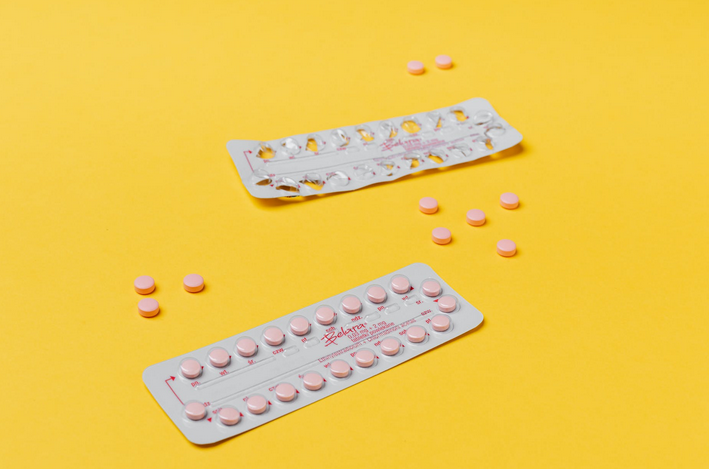
 The first thing you need to do is figure out your weight loss goals. What do you hope to achieve by taking weight-loss pills? Do you want to lose a few pounds, or are you looking to drop a significant amount of weight? Different pills work better for different people, so you must know your goals. If you’re looking to lose a few pounds, then over-the-counter weight loss pills like phentermine might be the best option for you. These pills are easy to find and don’t require a prescription. However, they can be dangerous if abused, so make sure you only take them as directed by your doctor.
 The fourth and final thing you need to do is research the pill’s side effects. Every


 parent took their children each time they had a fever, those doctor’s offices would be constant full of people. The signs of serious fever, however occur when fever does not subside even after taking a pin reliever or if it persists for more than a day. In this case it is advisable to seek medical attention.
 New parents assume that rashes come with territory. A child’s skin is more susceptible to irritation, and playing outside can result in the occurrence of harmless redness or irritation. The time to have a pediatrician examine a rash is when the rash is unidentifiable or strange. This could include when it is oddly colored or it affect the skin’s texture or cause a lot of pain to the child.…